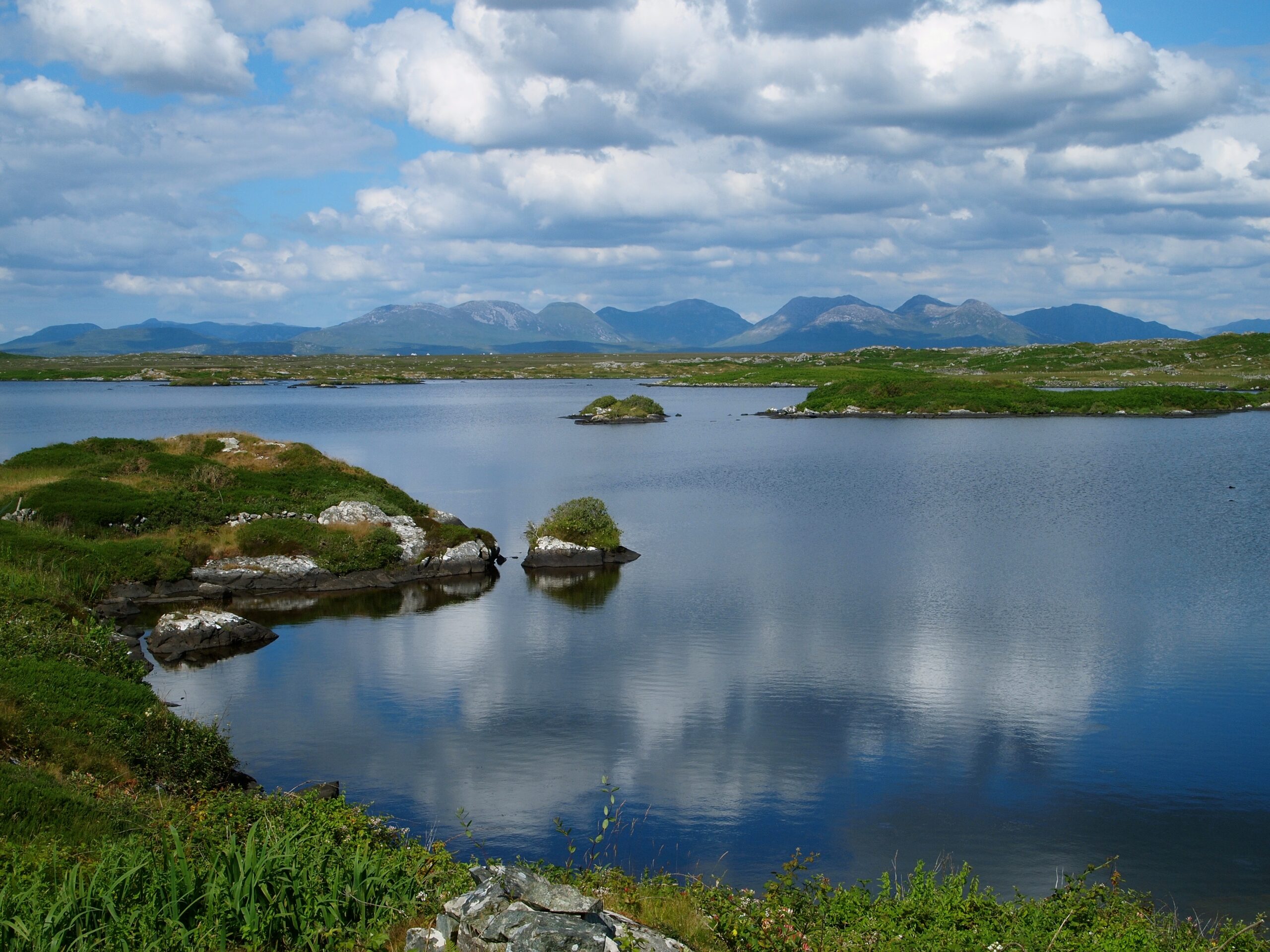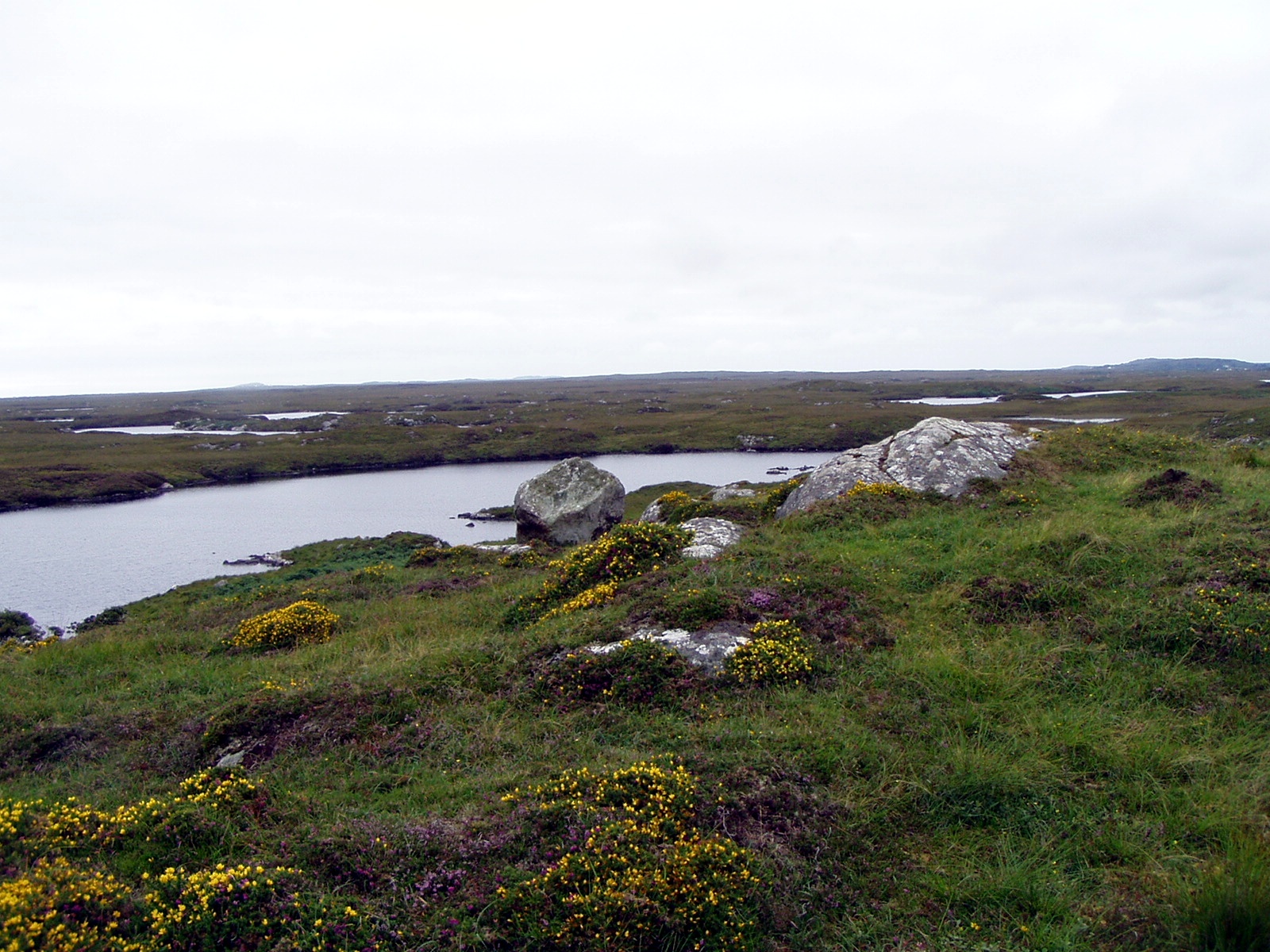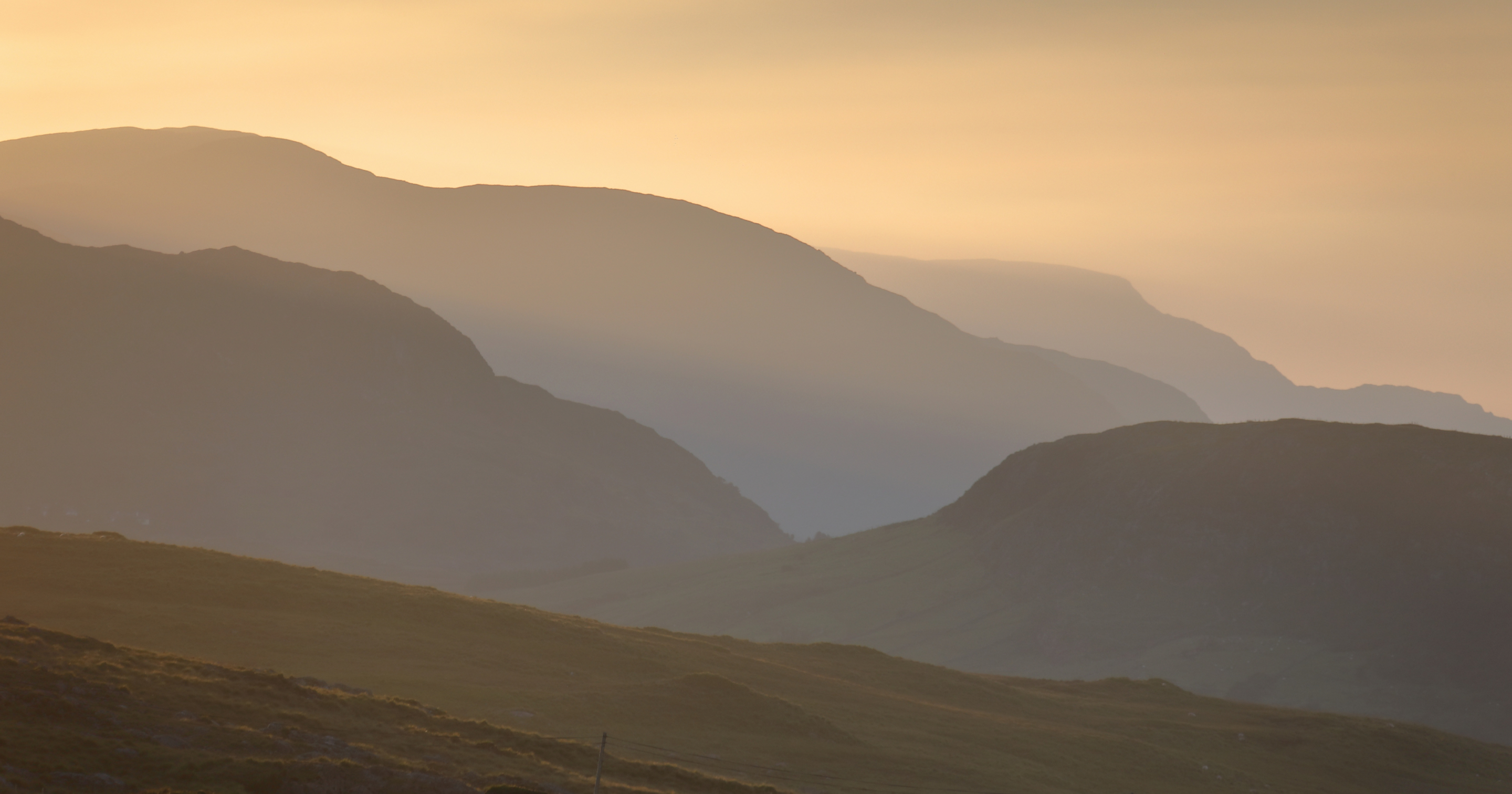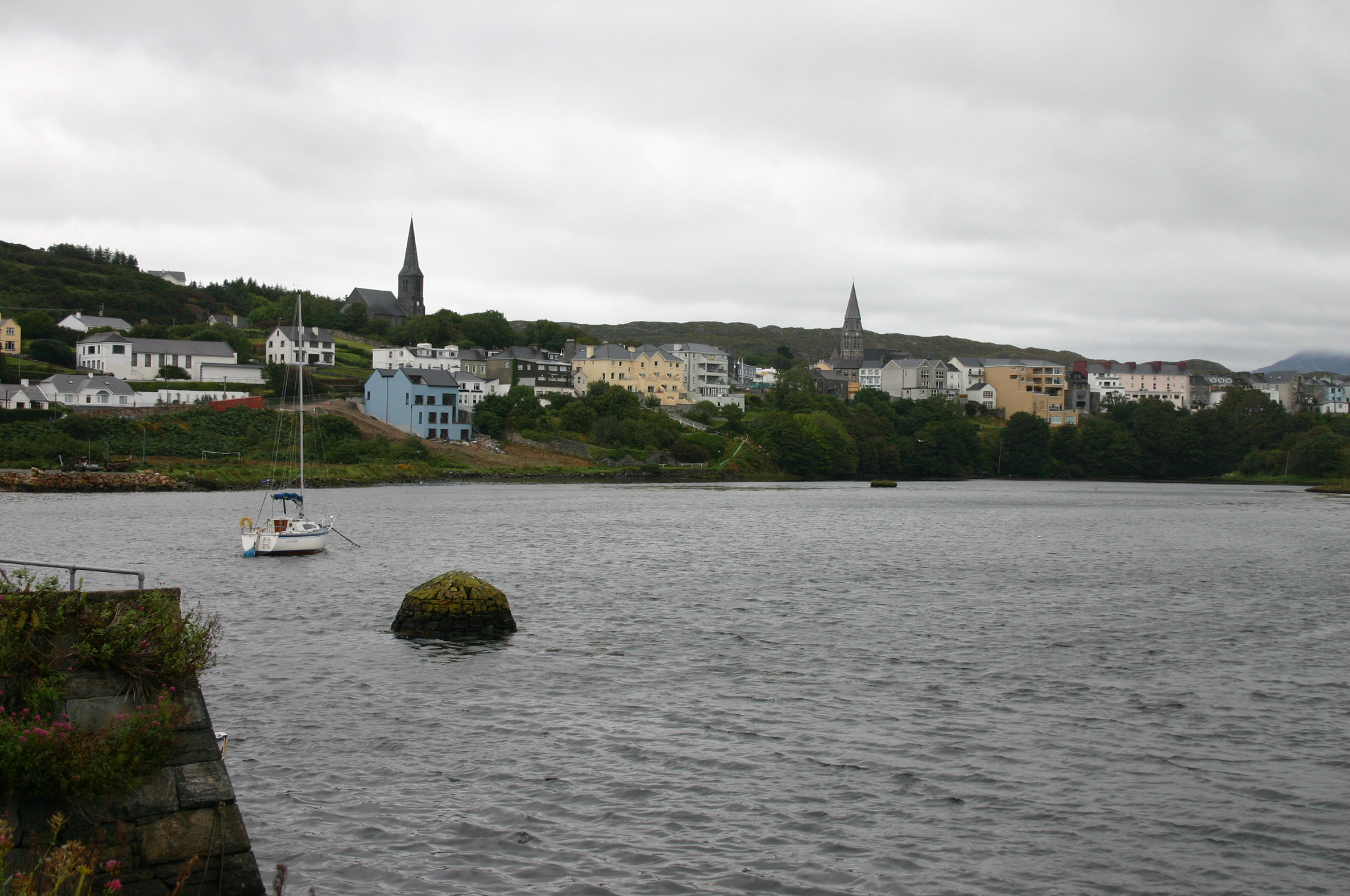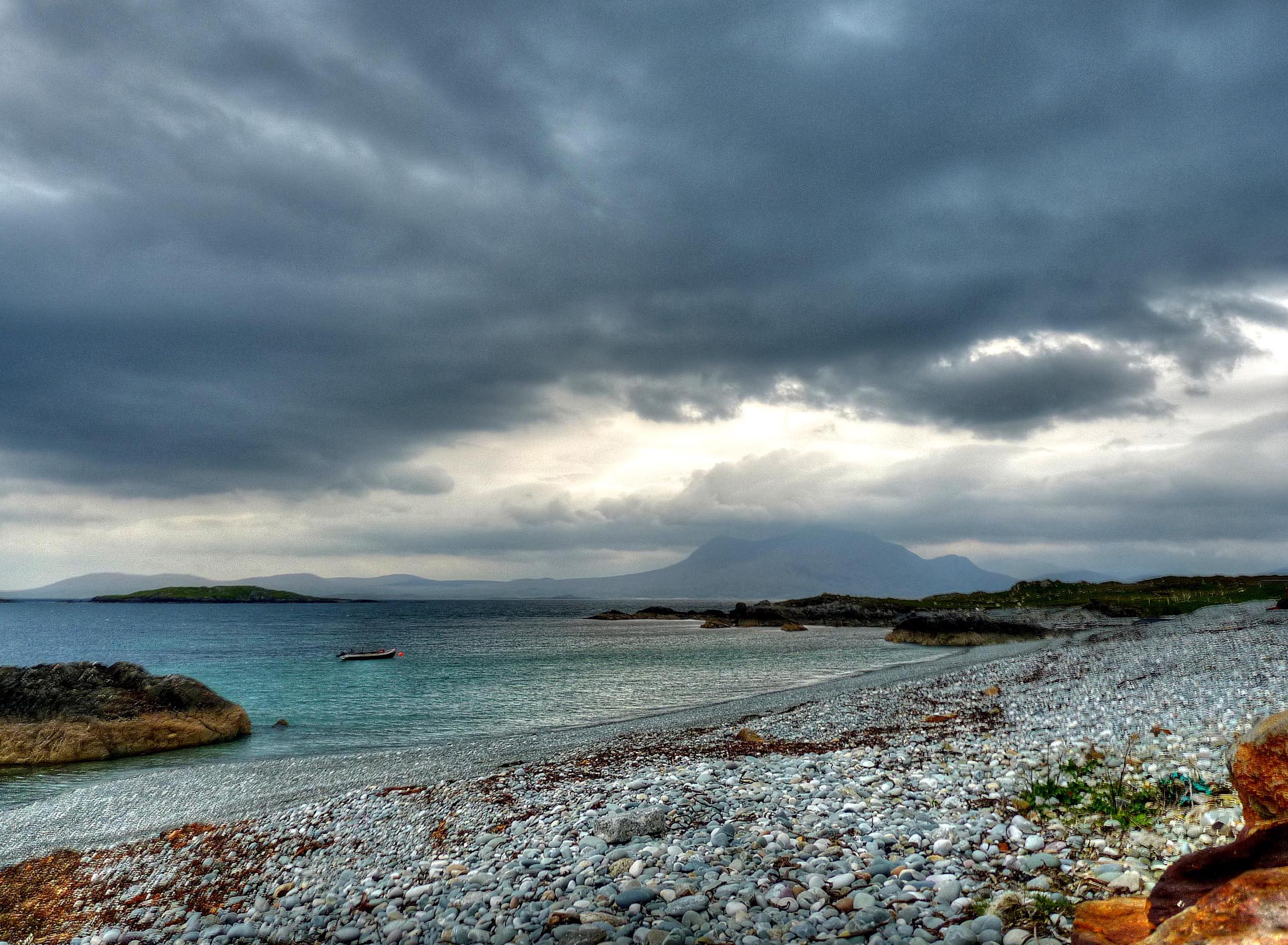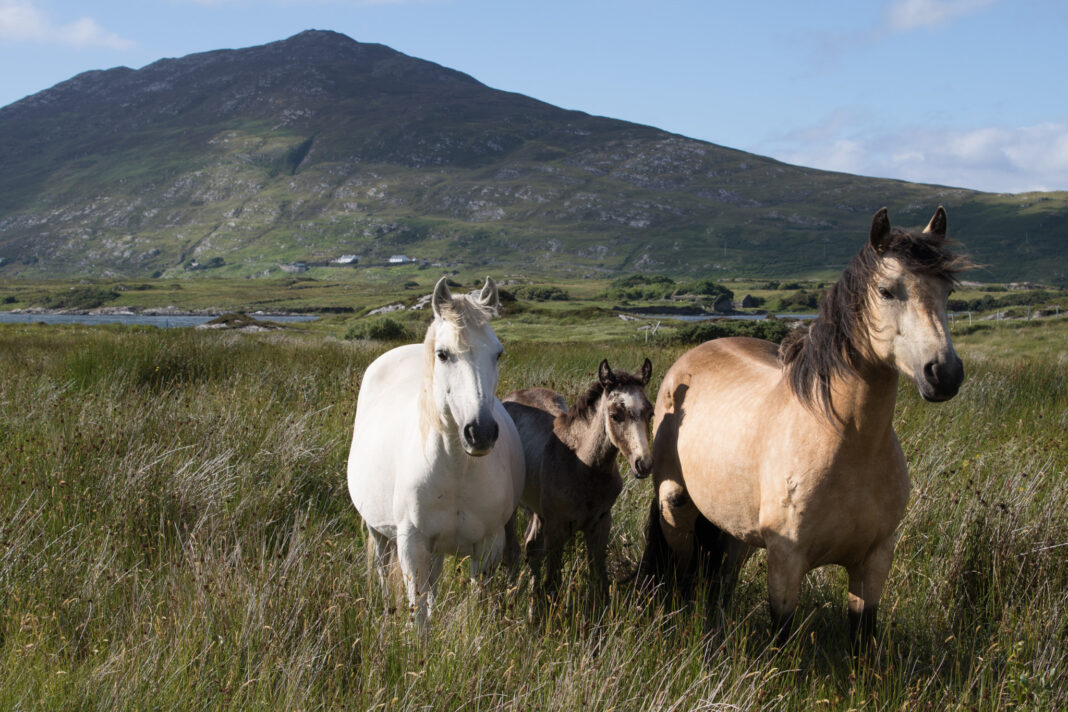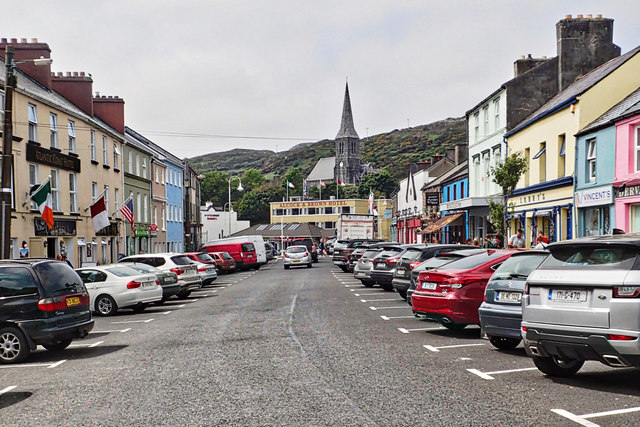


Connemara weather is part of the landscape rather than a detail to check once in the morning. Atlantic rain, wind, cloud and bright sunshine can all appear in the same day, and the mountains can experience very different conditions from the coast only a short drive away.
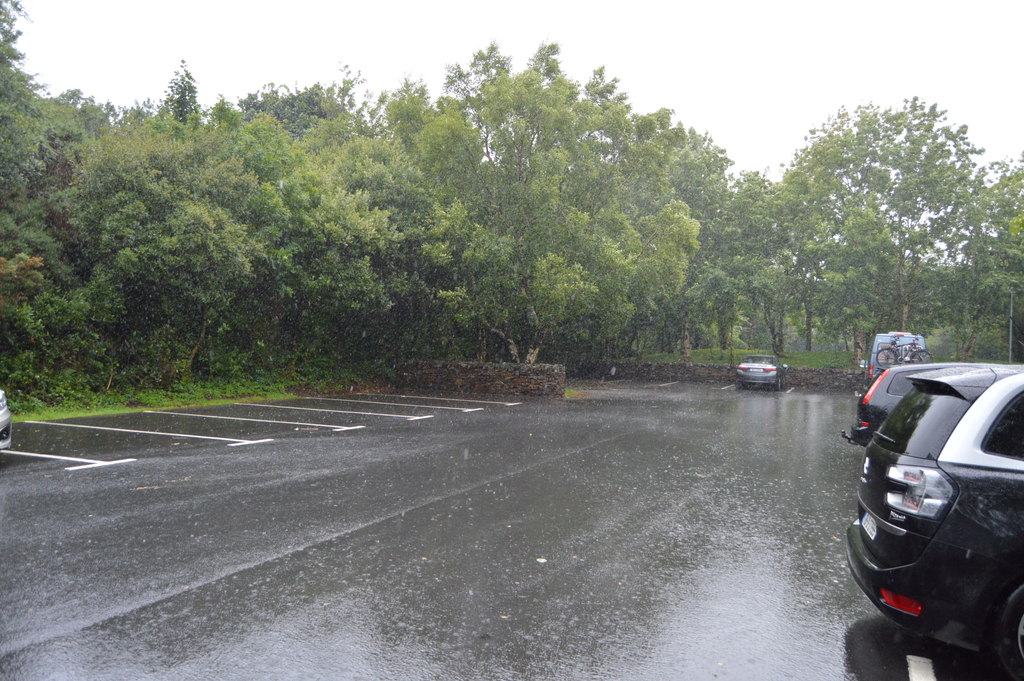
Featured image: heavy rain at Connemara National Park Visitor Centre, N Chadwick / Geograph, CC BY-SA 2.0.
Why Connemara is so changeable
Connemara faces directly into Atlantic weather systems. Moist air rises over the region’s mountain ranges, which helps explain why western and upland parts of Ireland receive considerably more rain than the east. Met Éireann’s 1991–2020 climate averages show western Ireland typically receives around 1,000–1,400mm of rain annually, with mountainous districts capable of exceeding 2,000mm.
Rain does not mean the whole day is lost
Showers can move through quickly, especially in a mobile Atlantic pattern. A wet morning in Letterfrack can give way to brighter coastal conditions around Clifden or Roundstone. Keep one indoor or low-level option in mind rather than cancelling the entire day at the first shower.
Mountain weather is different
Low cloud can remove visibility on Diamond Hill even while the village below feels relatively calm. For Connemara walks, judge the conditions at the trailhead and be willing to choose a lower route. During orange or red weather warnings affecting County Galway, Connemara National Park closes for the duration of the warning.
What should you wear?
A waterproof outer layer, comfortable shoes and an extra warm layer are useful in every season. For hillwalking, use proper walking footwear and carry water, food and clothing suited to exposed conditions. An umbrella is often less useful than a waterproof jacket when wind is strong.
Spring
Spring can bring long bright periods but remains unpredictable. April and May are generally among Ireland’s drier months in the long-term climate record, though individual years can differ sharply. Cooler evenings and Atlantic wind still make layers important.
Summer
Summer gives the longest daylight and the easiest conditions for long road trips, beaches and evening walks, but it is not guaranteed to be dry. The west can remain wet even during warm periods elsewhere in Ireland. Pack for rain even when the forecast looks promising.
Autumn and winter
Autumn and winter are generally wetter and bring shorter daylight, stronger Atlantic systems and more exposed driving conditions. Build shorter itineraries, avoid leaving a mountain descent until dusk and check opening seasons for attractions before setting out.
Check more than one location
A forecast labelled simply “Galway” may not describe conditions in Letterfrack, Clifden or the Maam Valley particularly well. Check the nearest forecast point to the part of Connemara you are visiting, plus any weather warning covering County Galway.
Best weather strategy
Plan by priority rather than by rigid timetable. If the mountains disappear into cloud, use a coastal village, heritage site or scenic drive. If the coast is taking strong wind and rain, a town stop or shorter woodland trail may work better. Flexibility is one of the most useful things you can pack.
Explore more in Connemara
Continue planning your Connemara trip with Galway City Life guides.