

Galway rewards curiosity. The headline sights are close enough to reach on foot, but the city’s real appeal lies in what happens between them: music drifting from a doorway, the Corrib racing towards the Atlantic, market stalls squeezed into a medieval lane and the light changing over Galway Bay. It is compact without ever feeling small, historic without being preserved behind glass, and lively in every season.
This guide concentrates on Galway City and Salthill, so you can experience the best of the city without spending half your visit on a tour bus. Some places take ten minutes; others deserve half a day. Together they make a rounded Galway itinerary, covering history, culture, sea air, food, live performance and a few quieter corners that visitors often miss.
1. Begin in Eyre Square

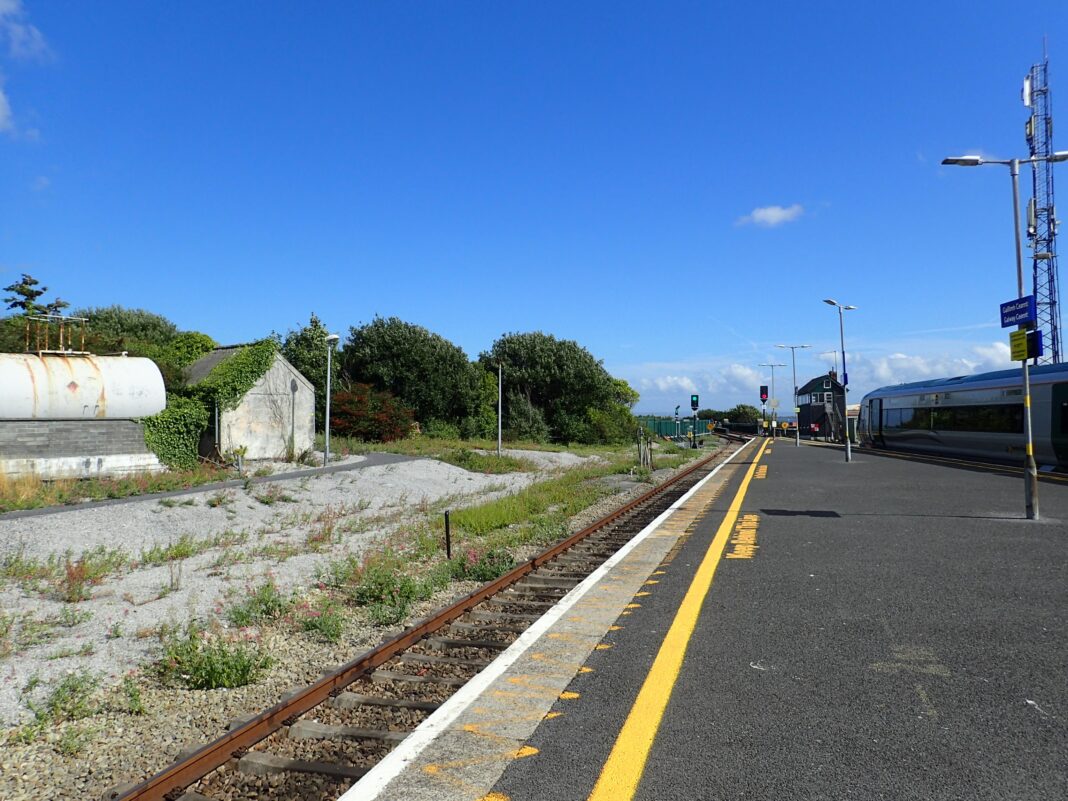
Eyre Square is Galway’s natural starting point: the railway and bus stations are beside it, Shop Street begins at its edge and much of the city centre unfolds from here. Officially named John F. Kennedy Memorial Park, it mixes lawns, public art and fragments of Galway history, including the Browne Doorway and the striking Quincentennial Fountain. It is more useful as an orientation point than a long sightseeing stop, but give yourself time to notice the details before heading into the pedestrian streets.
2. Wander through the Latin Quarter and Quay Street

The lanes between Shop Street and the river contain the Galway most visitors picture before they arrive: painted shopfronts, restaurants, buskers, pubs and crowds spilling along the cobbles. Quay Street is the busiest stretch, especially on summer evenings, but Cross Street, Middle Street and the smaller connecting lanes reward slower exploration. Come early for photographs and browsing; return after dark when the area’s music and atmosphere take over.
3. See the Spanish Arch

The Spanish Arch is a surviving extension of Galway’s medieval defensive walls, built in 1584 under mayor Wylliam Martin. Its name recalls the city’s trading links with Spain, although the structure itself was not built by the Spanish. The arches are modest in scale, so the pleasure is in their setting: the museum, the Corrib, the Long Walk and the Claddagh all meet here. On a dry evening, the riverside grass becomes one of the city’s most sociable gathering places.
4. Explore Galway City Museum

Beside the Spanish Arch, Galway City Museum is the best place to put the streets around you into context. Displays cover archaeology, maritime life, the Claddagh, traditional boats, social history and the city’s development. Admission is free, making it an excellent choice in wet weather or when you have an hour between other plans. Opening arrangements can change around exhibitions and holidays, so check the museum’s own website on the day.
5. Photograph the Long Walk

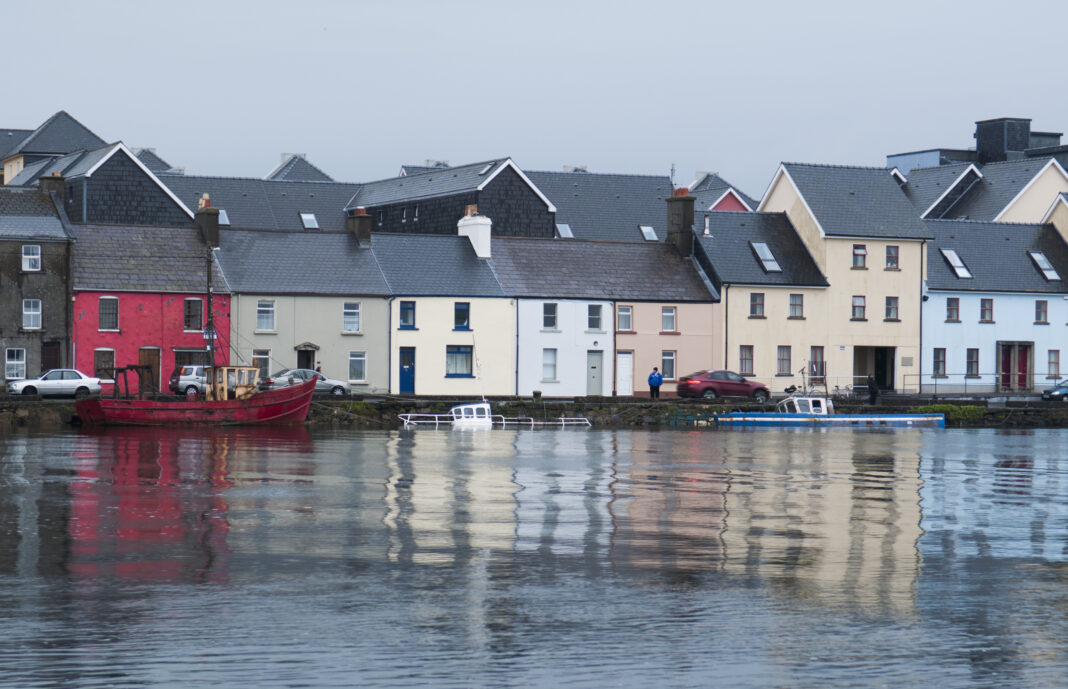
The row of colourful houses known as the Long Walk is one of Galway’s defining views. For the classic photograph, do not stand directly beneath them: cross towards the Claddagh or walk along Nimmo’s Pier and look back across the water. The scene changes with the tide, weather and evening light, and it is particularly beautiful when the last sun catches the facades. Continue towards South Park if you want a longer, quieter waterfront stroll.
6. Step inside St Nicholas’ Collegiate Church

Completed in 1320, St Nicholas’ is a living medieval church rather than a static monument. Its heavy stone arcades, old tombs and worn details reveal centuries of Galway life, while concerts and services keep the building part of the modern city. Self-guided and guided visits are available, and the bell-ringing experience is worth checking if you want something memorable. Visitor hours vary around worship, so look at the church’s current schedule before arriving.
7. Eat your way around Galway Market

Wrapped around St Nicholas’ Church on Church Lane, Galway Market brings together local produce, baked goods, crafts and ready-to-eat food. Saturday is the most dependable day year-round, with additional trading at busy seasonal periods. Arrive hungry, bring a little cash as a backup, and take a first lap before choosing: the market is compact, but the best queue is not always the first one you see.
8. Look up at Lynch’s Castle

It is easy to pass Lynch’s Castle because the ground floor now functions as a bank, yet the building is one of the finest surviving medieval town houses in Ireland. Look above street level for carved windows, coats of arms and gargoyles associated with one of Galway’s powerful merchant families. It takes only a few minutes, but it helps explain why Galway is called the City of the Tribes. The exterior can be appreciated at any time, even when the building is closed.
9. Explore the Claddagh

Cross the river from the Latin Quarter and you enter the Claddagh, the old fishing community that gave its name to the famous ring. The modern neighbourhood is quiet, but the waterfront still offers one of Galway’s best perspectives across the Corrib towards the Long Walk. Follow the quays, look for the Claddagh memorial and allow time simply to watch the swans and small boats. It is particularly atmospheric around sunset, when the coloured houses across the water catch the last light.
10. Visit the Hall of the Red Earl

Beneath a modern building on Druid Lane lie the remains of a 13th-century hall associated with Richard de Burgo, the “Red Earl”. Walkways carry visitors above the excavated walls, and displays explain the objects found on the site and the growth of medieval Galway. Admission is normally free, but opening is generally limited to weekday daytime hours. Pair it with Kirwan’s Lane and the nearby Mick Lally Theatre.
11. Visit the Fisheries Watchtower Museum

The compact Fisheries Watchtower is one of Galway’s most distinctive riverside buildings. Constructed in the mid-19th century so wardens could monitor salmon fishing, it now holds a small collection devoted to the Corrib, its fisheries and the lives built around the river. Opening is limited and can be seasonal, so check locally before making a special journey. Even when closed, the tower and the surrounding river walk are worth seeing from Wolfe Tone Bridge.
12. Visit Galway Cathedral

Galway Cathedral looks older than it is. Dedicated in 1965 on the site of the former city gaol, it combines a great stone dome, Connemara marble, mosaics and stained glass on an imposing scale. Entry is usually free, with donations welcomed, but remember that it is an active place of worship. Walk there from the city centre along the river, then continue over to the university for an easy architectural circuit.
13. Cross the Salmon Weir Bridge

The Salmon Weir Bridge crosses the Corrib between Galway Cathedral and the courthouse and offers one of the best close views of the river’s power. In season you may see anglers below, while after heavy rain the water can be spectacularly fast. The newer pedestrian and cycle bridge beside it makes the crossing more comfortable. Pause only in safe designated areas—the Corrib’s current is far stronger than it appears.
14. Walk through the University of Galway Quadrangle

The university’s limestone Quadrangle, opened in the 1840s, feels like a quiet pocket of Gothic revival architecture just beyond the busy city centre. Visitors can normally walk through the grounds, admire the central courtyard and continue along the riverside campus trail. Be considerate around teaching spaces and ceremonies. The route north towards Dangan is especially pleasant if you want a longer walk away from traffic.
15. Follow the River Corrib

Galway’s river is short, forceful and central to the city’s character. A self-guided walk can link Woodquay, the cathedral, the university, the canals, Wolfe Tone Bridge and the Spanish Arch without needing a formal tour. The canals offer calmer water and traces of industrial Galway; the main channel provides drama. Paths can be slippery after rain, and the river edge deserves respect, particularly with children.
16. Walk the Salthill Promenade

The Prom is Galway’s great sea-air ritual, running for roughly three kilometres along Galway Bay from the Claddagh towards Blackrock. Views reach across to the Burren on a clear day, but the walk is enjoyable in brisk Atlantic weather too. Allow an hour each way from the city centre if you are strolling, or take a city bus one direction. Locals traditionally kick the wall at Blackrock before turning back.
17. Swim—or simply watch—at Blackrock Diving Tower

Blackrock is both a landmark and a living piece of Galway culture. All year round, hardy swimmers enter the bay beside the tower; in calm summer weather the steps and platforms become particularly busy. Do not jump without checking tide depth, sea conditions and local advice, and never treat a busy tower as proof that conditions are safe for you. If swimming is not your thing, the sunset view and people-watching still justify the walk.
18. Discover native marine life at Galway Atlantaquaria

Galway Atlantaquaria focuses on the species and habitats found around Ireland’s coast, rivers, lakes and canals. It is a strong family option and one of the city’s most reliable rainy-day activities, with tanks, interpretation and hands-on learning rather than a purely spectacle-led visit. The aquarium is on the Salthill seafront and typically opens later at weekends; check current hours and book directly, especially during school holidays.
19. Walk the Mutton Island Causeway

The causeway stretching into Galway Bay is one of the city’s finest places for a bracing coastal walk. It begins near South Park and gives broad views back towards the city, Salthill and the Clare hills across the water. The exposed setting means wind and spray are part of the experience, so bring a proper layer. Public access ends before the treatment plant on Mutton Island; respect the gate and turn back there rather than attempting to continue.
20. Cross Wolfe Tone Bridge

Wolfe Tone Bridge connects the historic centre with the Claddagh and gives an excellent view of the Corrib as it widens towards Galway Bay. It is a practical crossing rather than a long attraction, but pausing here helps visitors understand the city’s relationship with the water. Look upstream towards the Fisheries Watchtower and downstream towards the Spanish Arch. The pavements can be busy and the road carries steady traffic, so take photographs without blocking the walkway.
21. Catch the tide at Silverstrand Beach

Silverstrand lies on the western edge of the city and feels far more open than the central Salthill beaches. The sandy bathing area, Atlantic views and sunsets make it a favourite in good weather. The usable beach shrinks substantially at high tide, so check tide times before travelling. Parking is limited on busy days, and the location is less convenient without a car or carefully planned bus journey.
22. Walk beneath the trees in Barna Woods

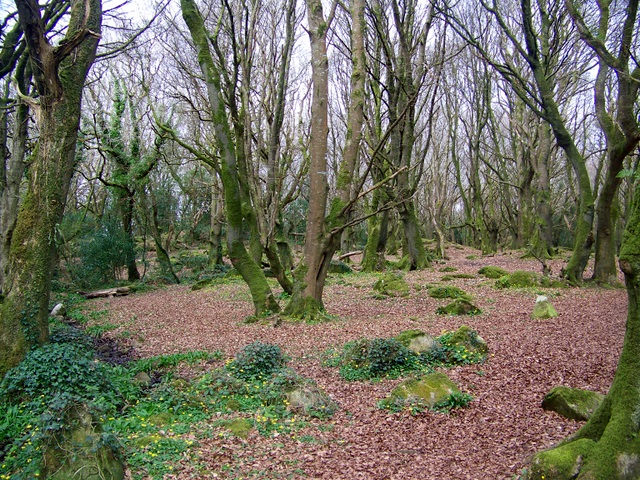
For a change from stone streets and sea views, Barna Woods offers short woodland paths among mature trees on the city’s western side. It is particularly atmospheric in autumn and after light rain, though the ground can become muddy. The woods connect well with Cappagh Park and can be paired with Silverstrand. This is a local walk rather than a polished visitor attraction, which is precisely part of its appeal.
23. Hear a traditional music session

Traditional music is not background decoration in Galway; at its best, it is an informal conversation between musicians. The Crane Bar in the West End is one of the best-known places to hear a session, while other pubs host music on changing nights. Arrive before the room fills, buy a drink and listen rather than talking over the quieter tunes. Schedules change, so check the venue’s current listings instead of relying on an old timetable.
24. Walk out along Nimmo’s Pier

Nimmo’s Pier projects into the bay from the Claddagh and feels surprisingly removed from the nearby city streets. It is a rewarding short walk for views of the Long Walk, harbour traffic, seabirds and the changing tide. The pier is fully exposed, can be slippery in wet weather and has unprotected edges, so wear sensible shoes and keep children close. Combine it with the Claddagh and South Park rather than treating it as a separate expedition.
25. Discover the ruins of Menlo Castle

A few kilometres north of the centre, ivy-covered Menlo Castle stands beside the River Corrib in a wonderfully atmospheric setting. The Blake family occupied the house for generations before a devastating fire in 1910 left it in ruins. Reaching it requires more planning than the central sights, and the final approach is best made in daylight. Treat the structure as an unstable ruin: admire it from safe, permitted ground, obey any access restrictions and never climb the walls. It is a strong choice for visitors who want one quieter place beyond the usual city circuit.
Planning your visit to Galway City
How long to stay: Two full days cover the historic centre and Salthill at a comfortable pace. Three days allow time for museums, a performance, a cruise or poor-weather flexibility before adding a separate Connemara, Aran Islands or Cliffs of Moher day trip.
Getting around: The central sights are best explored on foot. Salthill is walkable from the centre, with regular city buses useful for the return journey. Silverstrand and Barna Woods require more planning. Driving in the compact centre rarely saves time once parking is considered.
Weather: Galway weather changes quickly. Pack a light waterproof layer even when the morning looks settled, and wear shoes that cope with wet paving. A shower is a reason to visit the museum, aquarium, church or theatre—not to abandon the day.
Timing: Visit the Latin Quarter early if you want quiet photographs, then return in the evening for atmosphere. Check tides for swimming and beaches, opening times for small heritage sites, and live listings for music and theatre. Summer weekends and festival dates require earlier accommodation and restaurant bookings.
Frequently asked questions
Is Galway City walkable?
Yes. Eyre Square, the Latin Quarter, Spanish Arch, cathedral and university are all within a compact area. Salthill is a longer but straightforward coastal walk; buses make it easy to travel one way.
How many days do you need in Galway?
Allow at least two full days for the city and Salthill. Add extra days for county excursions rather than trying to squeeze Galway City into the evening after a long coach tour.
What are the best free things to do?
Walk the Latin Quarter, Spanish Arch, Long Walk, River Corrib and Salthill Promenade; visit Galway City Museum; explore the university grounds; and enjoy the beaches and Barna Woods. Churches may welcome donations.
Is Galway worth visiting in winter?
Yes, especially for food, pubs, music and culture, but daylight is shorter and some tours or small attractions operate seasonally. Build a flexible plan around indoor options and check opening hours directly.
Do you need a car in Galway City?
No. A car is more useful for parts of County Galway than for the city itself. Walking and buses are usually simpler, and central parking can be expensive or busy.
Galway attractions map
Use this map to see how close many of Galway’s headline attractions are to one another. Check each venue’s current opening hours before setting out.