

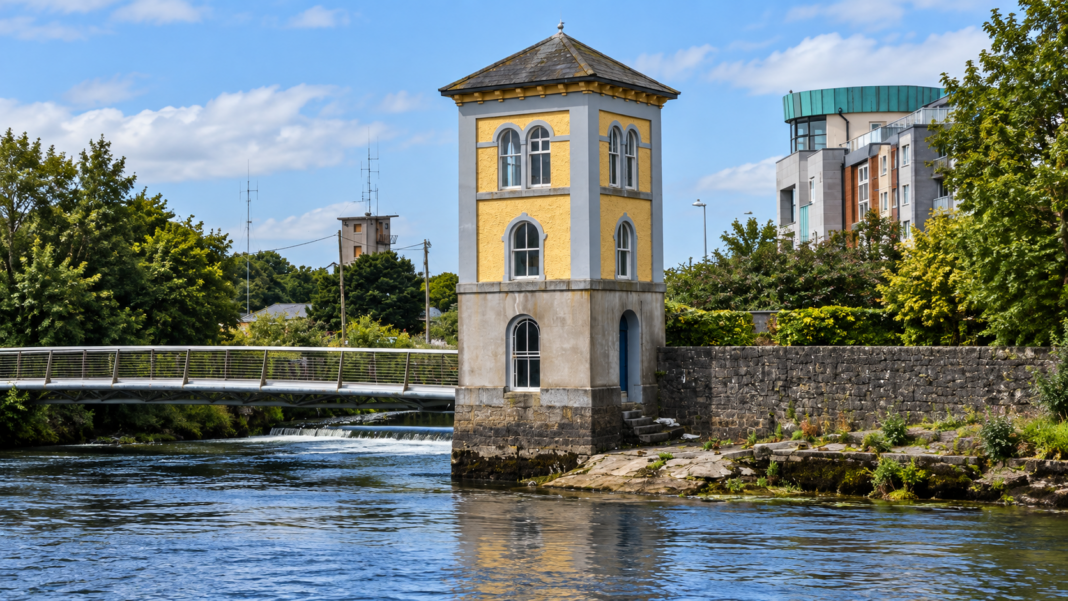
Perched beside the Corrib near Wolfe Tone Bridge, the Fisheries Watchtower is one of Galway’s smallest and most distinctive museums. Many visitors cross the river without noticing it, yet this Victorian tower tells a story that is inseparable from Galway’s salmon fishery.
Why the watchtower was built
The tower was constructed in the mid-19th century so fisheries staff could monitor activity on the river and discourage illegal fishing. Its position gave wardens a clear view of the Corrib as it approached Galway Bay. The building later became a museum preserving objects, photographs and stories connected with fishing and the river.
What to expect inside
The collection is small, personal and closely tied to its setting. Displays explain traditional fishing practices, the importance of salmon and the working lives associated with the Corrib. The windows provide excellent views towards the Claddagh and the river channel. Most visitors need around 20 to 30 minutes.
Check before visiting
Opening can be seasonal or limited, and published hours may change. Check Galway Civic Trust or current local listings before planning a visit specifically around the museum. Even when the door is closed, the exterior and river setting remain worth seeing.
Best way to include it
Walk from the Spanish Arch towards Wolfe Tone Bridge, then pause at the tower before crossing into the Claddagh. Continue along the waterfront for views of the Long Walk. Stay behind barriers and keep well back from the Corrib, whose current is far stronger than it can appear.
Practical information
- Location: On the River Corrib beside Wolfe Tone Bridge, a short walk from the Spanish Arch.
- Cost: Free when open.
- Best for: Local history, river views and a compact stop on a city-centre walk.
- Before you go: This is a very small seasonal museum with limited opening times; check current visitor information before making a special journey.
Location and directions
The museum stands beside Wolfe Tone Bridge on the River Corrib.