

St Nicholas Church Galway is one of those rare places where the city’s medieval past is not hidden behind glass. Its stone aisles still serve a living congregation, while worn monuments, carved details and centuries of alterations reveal how Galway changed around it.
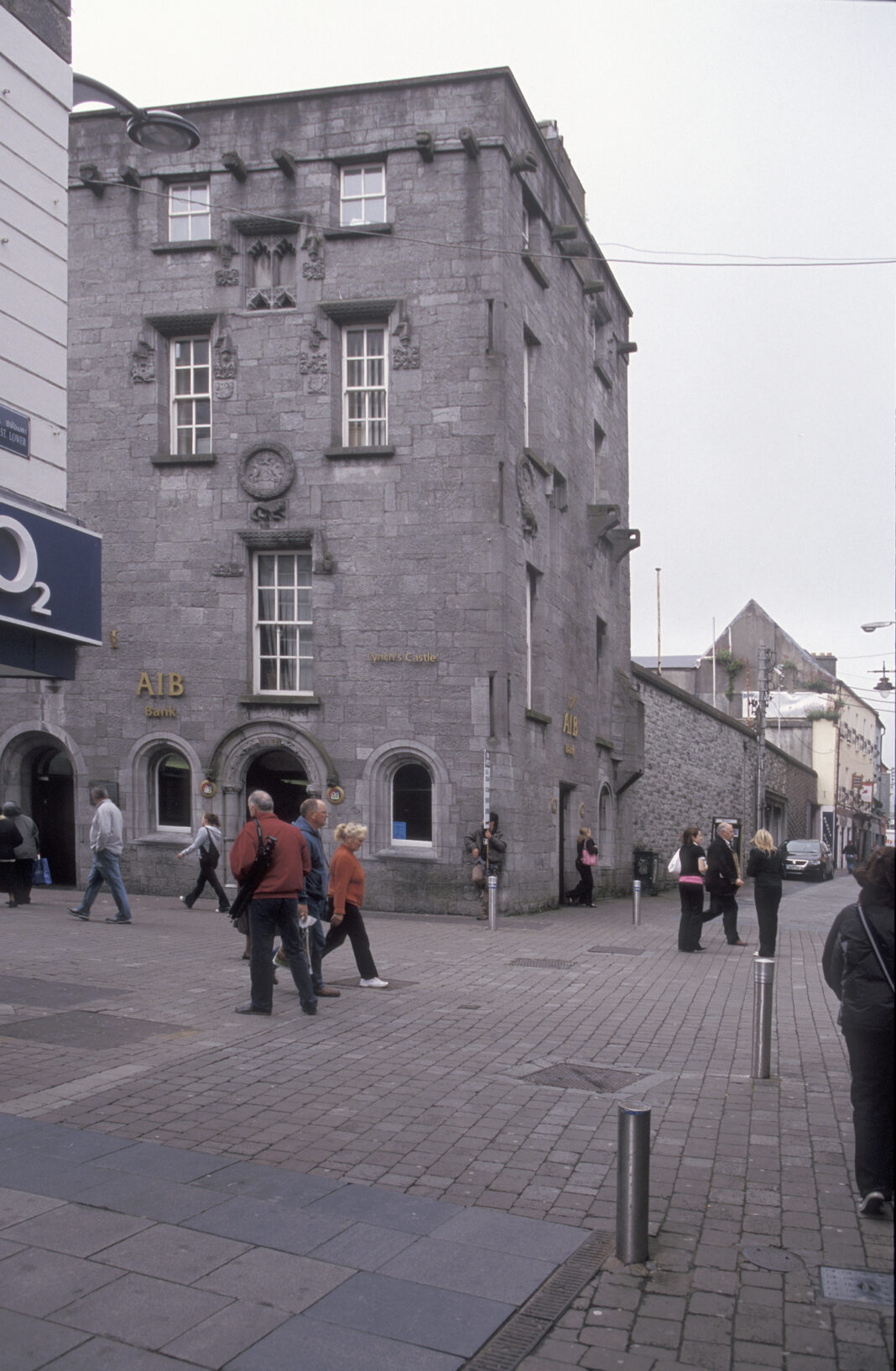
Standing beside the market streets in the historic centre, the church feels both monumental and surprisingly intimate. It is a natural companion to nearby Lynch’s Castle and the story of the Tribes of Galway.
A church with roots in medieval Galway
The church was founded in 1320 and dedicated to St Nicholas of Myra, the patron saint traditionally associated with sailors and seafarers. That dedication made sense in a trading town whose prosperity depended on the Atlantic. In 1484 it received collegiate status, meaning that a community of clergy served it without the church being a cathedral.
The building grew over time rather than arriving as one finished design. Its cruciform plan, sturdy limestone walls, arches and side chapels reflect different phases of construction and repair. The result is not a perfectly uniform monument but a readable record of Galway’s religious and civic life.
Merchant families and memory
Powerful merchant families left their mark throughout the church. Tombs, memorials and heraldic carvings connect the building with the families who governed and traded from medieval Galway. Look carefully rather than rushing: much of the interest lies in small details set into pillars, walls and floor slabs.
The church also survived periods of political and religious upheaval. Its history spans the Reformation, the upheavals of the seventeenth century and the changing fortunes of the city. That continuity is one reason it remains so important: it is not simply an exhibit about Galway, but part of Galway’s continuing story.
Did Christopher Columbus visit?
A popular local tradition says that Christopher Columbus prayed here during a visit to Galway in 1477. Columbus did write about seeing unusual bodies brought ashore in Galway, but the precise details of his movements in the city are not fully documented. The church visit is best understood as a long-standing tradition rather than an independently proven itinerary.
That distinction matters. Galway has excellent stories, but they become more interesting—not less—when folklore and firmly documented history are clearly separated.
What to look for inside
- The broad medieval nave and stone arches.
- Family memorials and coats of arms linked with Galway’s merchant elite.
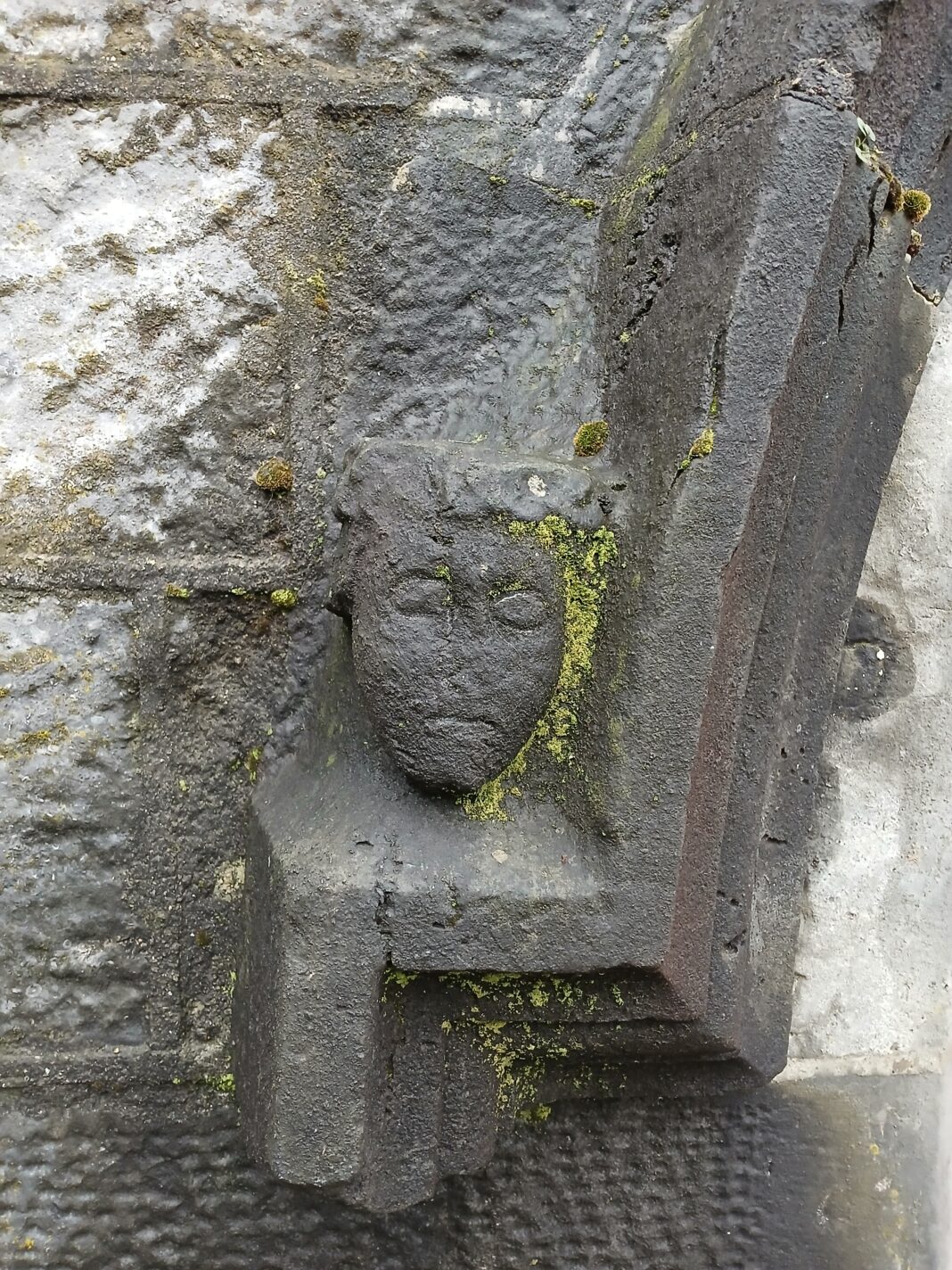
- Carved faces, animals and decorative details that are easy to overlook.
- The mixture of medieval fabric and later additions.
- The atmosphere of a building that remains a place of worship.
Good to know before visiting
The church is in the pedestrian-friendly city centre, close to Shop Street and the market. It remains an active Anglican church, so access can vary around services, events and pastoral use. Visitors should check the official website for current opening information and behave respectfully inside.
No long detour is required: allow roughly twenty to forty minutes, then continue towards Lynch’s Castle, the medieval walls and the Spanish Arch for a compact history walk.
Frequently asked questions
How old is St Nicholas’ Collegiate Church?
Its foundation dates to 1320, although the building has been extended, repaired and altered across the centuries.
Is it Galway Cathedral?
No. St Nicholas’ is a medieval collegiate church in the Church of Ireland tradition. Galway Cathedral is a separate twentieth-century Roman Catholic building beside the River Corrib.
Is the church still used?
Yes. It is an active place of worship as well as an important historic site.